

The Power of a Teacher: Shaping Minds, Transforming Lives
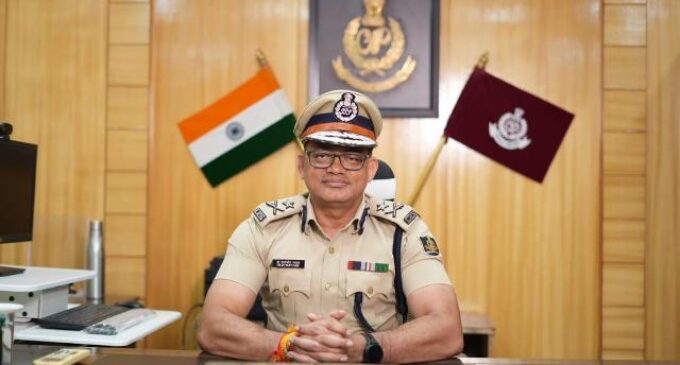
By Dr Satyajit Nayak, IPS
Jajpur/Odisha,Aug 4 : As India prepares to observe Teachers’ Day on September 5, the occasion offers an opportunity to recognise the invaluable contribution of educators who shape young minds and influence the future of society. For Dr Satyajit Nayak, IPS, the day is a reminder of the lasting impact that teachers can have on an individual’s life and character.
Teachers’ Day is celebrated across India every year on September 5, the birth anniversary of Dr Sarvepalli Radhakrishnan, one of the country’s most distinguished scholars, philosophers and statesmen. Radhakrishnan served as India’s first Vice-President from 1952 to 1962 and later became the country’s second President, serving from 1962 to 1967.
Before entering public life, Radhakrishnan had a distinguished career in education. He taught philosophy at several leading institutions and earned immense respect among his students and academic peers. His deep faith in the teaching profession reflected his belief that educators play a crucial role in preparing young people to contribute meaningfully to society.
The tradition of observing September 5 as Teachers’ Day began in 1962. When Radhakrishnan’s students and admirers expressed a desire to celebrate his birthday, he suggested that the day instead be dedicated to teachers. The idea reflected his humility and his conviction that the teaching profession deserved wider recognition.
For students, Teachers’ Day is also an occasion filled with enthusiasm and creativity. Schools across the country organise cultural programmes, debates, performances, games, speeches and other activities to honour their teachers. Students often prepare greeting cards, flowers and small gifts as expressions of gratitude.
One of the most popular traditions is the role reversal in which senior students take over classroom responsibilities for a day. They teach junior students and experience, even briefly, the responsibilities faced by their teachers. In some schools, students also dress up as their favourite teachers and imitate their mannerisms in a light-hearted and respectful manner.
The celebrations often extend beyond the classroom. Students decorate school premises and classrooms, organise cultural programmes and prepare special presentations for their teachers. Dance performances, plays, speeches and competitions frequently form part of the celebrations. In some institutions, teachers and students participate together in games and other activities, strengthening the bond between them.
At its heart, however, Teachers’ Day is not simply about celebrations. It is about acknowledging the responsibility carried by educators every day. A classroom brings together students with different abilities, interests and aspirations. While one may excel in mathematics, another may demonstrate talent in sports, literature, science, music or the arts. A committed teacher helps identify these strengths while encouraging students to develop discipline, confidence and respect for learning.
The influence of a good teacher often extends far beyond examinations and academic results. Teachers can inspire students to overcome setbacks, discover their abilities and develop values that remain with them throughout life.
Teachers’ Day therefore stands as a tribute to those who do more than teach lessons—they help shape personalities, nurture aspirations and prepare the next generation to build a better society. The celebrations may last only a day, but the lessons and values imparted by dedicated teachers can endure for a lifetime.


