

The Measure of Our Humanity Is How We Treat Others
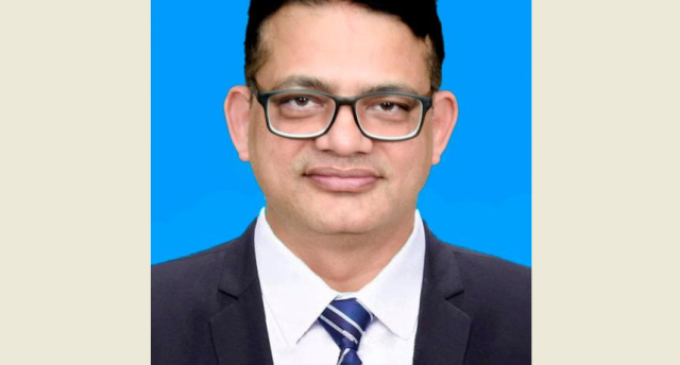
By Dr Satyajit Nayak, IPS
Cuttack/Odisha, Oct 8 : Humanity is not defined by wealth, position, education or power; it is revealed in the way we treat people around us. In a rapidly changing world, where technology has made communication easier but life increasingly demanding, kindness and compassion remain the qualities that hold society together. A helping hand to a stranger, a few words of comfort to someone in distress, food shared with a hungry person or simply listening to someone who feels alone may appear to be small gestures, but they can bring immense hope. True humanity begins when we learn to recognise the pain of others and respond with empathy rather than indifference.
As a police officer, I have come to understand that every person we encounter carries a story that may not be visible to us. Behind a complaint there may be fear, behind a missing-person report there may be a family’s anguish, and behind a difficult young person there may be circumstances that deserve understanding. Law enforcement must remain firm and fair, but public service must also retain a human face. Justice protects society, while compassion helps rebuild trust. A humane approach does not weaken discipline; rather, it reminds us that every citizen deserves dignity, patience and respect.
The values of humanity must be nurtured from childhood. Children learn more from what they see than what they are told. When they see parents respecting workers, helping neighbours and standing beside people in difficulty, they learn the meaning of compassion naturally. Schools, too, must teach more than academic lessons. Young people should be encouraged to help others, respect differences, care for the elderly, protect the vulnerable and use technology responsibly. In an age of smartphones and social media, we must ensure that digital connection does not replace real human connection. A society becomes stronger when its younger generation understands that success is meaningful only when accompanied by character.
Humanity becomes most visible during moments of crisis. Floods, cyclones, accidents, fires and other emergencies often remind us that our differences become insignificant when another human life is at risk. Volunteers, police personnel, firefighters, healthcare workers, rescue teams and ordinary citizens often come together to protect and support those in need. Such moments demonstrate that compassion is one of the greatest strengths of a community. We must carry that spirit beyond emergencies and into everyday life. Respecting sanitation workers, supporting the elderly, helping accident victims, donating blood, assisting disadvantaged families and speaking up against injustice are all expressions of responsible citizenship.
Ultimately, humanity is not a grand idea reserved for extraordinary people; it is a daily choice available to every one of us. We can choose patience instead of anger, understanding instead of judgement and kindness instead of indifference. We may not have the power to solve every problem, but we can make someone’s burden a little lighter. Positions, possessions and achievements may change with time, but the impact of a compassionate act can remain in another person’s heart for years. The true measure of a successful life is not how high we rise, but how many people feel safer, respected and hopeful because we were there. Humanity begins with us—and every day gives us another opportunity to prove it.


