

Similipal becomes Odisha’s key hub for tiger conservation
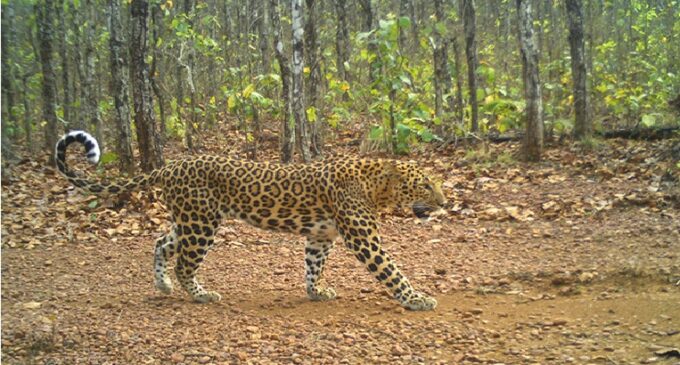
Similipal’s rich forests and supportive habitat have helped two tigresses—Zeenat from Maharashtra and Yamuna from Madhya Pradesh—thrive successfully.
By Sukant Mohanty
Bhubaneswar, July 30: The Similipal Tiger Reserve (STR), currently home to two well-settled tigresses, is poised to receive male tigers in a renewed bid to bolster in-situ tiger conservation and breeding in Odisha. This initiative follows the failed tiger relocation project at Satkosia.
Forest department sources revealed that plans are underway to introduce a male tiger into STR soon, with the possibility of a second depending on the initial results. This reflects a shift in Odisha’s conservation approach, favouring ecologically proven habitats over earlier, less successful ventures.
Similipal’s favourable ecosystem has allowed tigresses Zeenat and Yamuna to adapt well. “Both have settled comfortably in Similipal’s terrain and climate, showing promising signs of stability,” said Prem Kumar Jha, Principal Chief Conservator of Forests (Wildlife), on International Tiger Day.
Jha further stated that discussions are ongoing to bring male tigers from either Maharashtra or Madhya Pradesh. The ultimate goal is to enable natural breeding within Similipal, thereby strengthening Odisha’s tiger population through ecological integration rather than repeated translocation.
With Similipal showing encouraging results, the focus has shifted away from Satkosia, which has remained without tigers for five years after its failed relocation attempt. Criticised for poor execution, that project failed to retain even a single tiger. Meanwhile, the forest department is also assessing Debrigarh as another potential site for future tiger conservation.
Odisha also continues to showcase its contribution to tiger genetics through the conservation of melanistic (black) tigers at Nandankanan Zoological Park. The zoo currently houses 29 tigers—19 normally coloured, six white, and four black. This population is expected to grow further, pending approvals from the Central Zoo Authority.
Marking this year’s International Tiger Day under the theme ‘Save Tigers’, experts reiterated that with India hosting over 70% of the world’s tiger population, focused, scientific, and habitat-specific conservation strategies remain crucial for the species’ survival and growth.