

Cracks within the citadel: Naveen Patnaik faces crisis of cohesion after BJD cross-voting shock
By Manoj Kumar Mohapatra
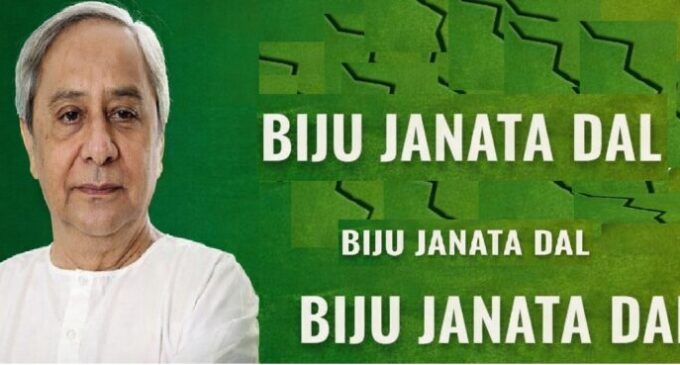
Bhubaneswar: Odisha’s principal regional force, the Biju Janata Dal (BJD), appears to be entering one of the most turbulent phases in its political journey, with party president and former Chief Minister Naveen Patnaik confronting an unprecedented crisis of cohesion within the organisation he led for over two decades.
The fissures within the BJD came into sharp focus during the Rajya Sabha elections held on March 16, where at least eight of its 50 MLAs reportedly cross-voted, leading to the victory of BJP-backed candidate Dilip Ray. The outcome not only dealt a political setback to the regional party but also exposed deep-rooted discontent simmering within its ranks.
What has added to the gravity of the situation is the re-emergence of the party’s old guard, led by veteran नेता Bijoy Mohapatra, who are believed to have played a role in mobilising dissent against the current leadership. These leaders, many of whom were earlier expelled from the BJD on charges ranging from anti-party activities to alleged conspiracies to destabilise the leadership, now appear to be attempting a political comeback—this time by directly challenging Naveen Patnaik’s authority.
Sources indicate that the cross-voting episode was not an isolated act of indiscipline but part of a broader attempt to “send a message” to the leadership. The rebels have openly accused Naveen Patnaik of stifling intra-party democracy and running the organisation in a highly centralised manner, often based on personal discretion rather than consultative processes.
In a sharp critique, dissident voices within the party have also alleged that the BJD under Naveen has drifted away from the ideals of its founder, Biju Patnaik. They claim that the principles of transparency, inclusiveness, and strong regional assertion—hallmarks of Biju Patnaik’s political legacy—have been diluted over time.
The developments mark a significant departure from the past, when Naveen Patnaik was known for exercising firm control over the party apparatus. During his tenure as Chief Minister from 2000 to 2024, he built a reputation for swift and decisive action against dissent, often expelling leaders accused of anti-party conduct without hesitation. However, in the aftermath of the Rajya Sabha polls, the absence of immediate disciplinary action against the errant MLAs has raised eyebrows within political circles.
Observers believe this restraint may reflect a more complex internal dynamic, where the leadership is weighing the risks of further fragmentation against the need to enforce discipline. “Any harsh action at this stage could deepen the crisis rather than contain it,” a senior political analyst noted, pointing to the fragile state of unity within the party.
The BJD, which once enjoyed near-total dominance in Odisha’s political landscape under Naveen Patnaik’s leadership, is now witnessing an erosion of internal consensus. The authority that once went largely unquestioned is now being openly challenged by sections of its own leadership.
For Naveen Patnaik, the current moment represents perhaps the most serious internal test of his long political career. Rebuilding cohesion within the party, restoring confidence among cadres, and addressing the grievances of dissenting leaders will be crucial if the BJD is to retain its relevance in an increasingly competitive political environment.
As the dust settles on the Rajya Sabha elections, one message is clear: the battle for Odisha’s political future may no longer be confined to contests between parties—it is now also being fought within them.


