

Sustainable water management brings prosperity to Kalahandi farmers
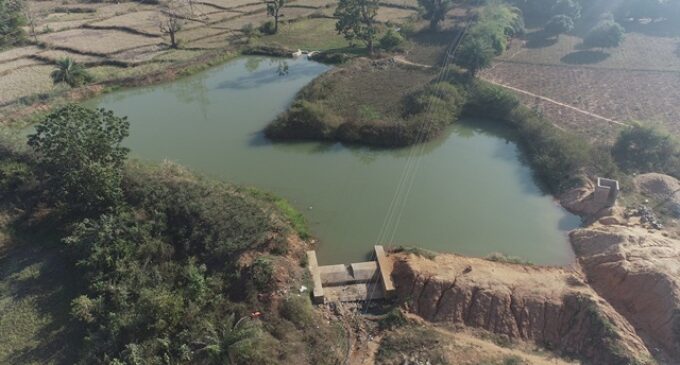
Over the years, erratic rainfall patterns and growing water scarcity have further deepened the hardships faced by local communities. But today, a quiet transformation is beginning to reshape this reality across several villages near Lanjigarh, driven by sustainable water management initiatives supported by Vedanta Aluminium.
By Sudharam Sarap
Bhawanipatna: In the villages surrounding Odisha’s Kalahandi district, the arrival of summer has long brought with it an air of uncertainty. As temperatures soar and streams, ponds, and wells begin to dry up, farmers anxiously look to the skies, hoping for timely rains. For generations, agriculture in the region has remained heavily dependent on the monsoon, leaving thousands of farming families vulnerable to crop failures, shrinking incomes, and seasonal migration.
Over the years, erratic rainfall patterns and growing water scarcity have further deepened the hardships faced by local communities. But today, a quiet transformation is beginning to reshape this reality across several villages near Lanjigarh, driven by sustainable water management initiatives supported by Vedanta Aluminium.
Through its flagship watershed development programme, Project Sangam, the company has been working towards reviving local water systems, improving irrigation infrastructure, and promoting scientific watershed planning with active community participation. The initiative has already enabled irrigation access across more than 800 acres of farmland in 41 villages of Kalahandi, positively impacting over 9,000 people.
At the core of the programme lies a simple yet effective approach — conserving rainwater where it naturally falls. By rejuvenating traditional water bodies, strengthening irrigation channels, and scientifically managing monsoon runoff, Project Sangam has created over 11 lakh cubic metres of water recharge potential. This has significantly improved groundwater availability in many parts of the district, ensuring access to water even beyond the monsoon season.
The impact is now visible across farmlands that once remained barren after a single crop cycle. Improved soil moisture retention and stabilised groundwater levels are enabling farmers to cultivate multiple crops and plan agricultural activities with greater confidence. Dependence on unpredictable rainfall has reduced considerably, bringing renewed hope to farming families.
“For years, our farming depended entirely on uncertain rainfall. Now we have assured irrigation for our fields. Water remains available for a much longer period, crop yields have improved, and families are earning better incomes. Earlier, many villagers migrated in search of work during dry months. That need has reduced significantly,” said Jugeswar Dalpati, a farmer from Lanjigarh.
Beyond agriculture, the initiative is also contributing to wider ecological and social benefits. Improved groundwater recharge is strengthening drinking water availability, while increased soil moisture is helping restore greenery across the landscape.
Vedanta Aluminium now plans to expand irrigation coverage to more than 3,500 acres, further strengthening year-round water security for farming and domestic use. In many ways, the transformation unfolding across Kalahandi is not merely about irrigation infrastructure — it is about rebuilding rural resilience, restoring confidence in agriculture, and demonstrating how sustainable water management can transform entire communities in the face of climate uncertainty.


